Material lead-time planning: Budgeting and cost control
Material lead-time planning: Budgeting and cost control. Material lead times affect the sequence of demolition, fabrication, installation, and occupancy…
Why this matters
Material lead times affect the sequence of demolition, fabrication, installation, and occupancy; they belong in the schedule from the beginning. A useful budget separates known costs, allowances, contingencies, and decisions that can still change the outcome.
The useful question is not whether material lead-time planning sounds attractive in the abstract. It is whether the people making the decision can see the assumptions, the evidence, the limits, and the next action clearly enough to act responsibly. A material delay becomes more expensive when the team has not defined a sequence or alternate.
A practical framework
For material lead-time planning, begin with an assumptions-led budget with allowances, contingencies, and a change-control rule. The sequence below keeps the decision teachable and gives the next person enough context to continue the work.
- identify long-lead and custom items
- confirm approval and ordering dates
- plan a safe temporary condition
- define an acceptable alternate
Questions to answer
- Which cost is supported by a quote, and which is still an allowance?
- What event would consume the contingency, and how would it be approved?
- Which scope decision creates the largest downstream cost if delayed?
Common failure modes
- Comparing two budgets that use different scopes or assumptions.
- Hiding uncertainty inside a single optimistic total.
- Treating a low first cost as proof of a low total cost.
What a useful record contains
A useful record for material lead-time planning should make the decision auditable without pretending that uncertainty has disappeared. Start with the following evidence and label what is still provisional.
- identify long-lead and custom items; record its source, date, and limitation.
- confirm approval and ordering dates; record its source, date, and limitation.
- plan a safe temporary condition; record its source, date, and limitation.
A sensible next step
Track selections, approvals, orders, and delivery dates in one log. The goal is not to create paperwork for its own sake; it is to make the next decision safer, clearer, and easier to review.
This guide is educational and does not replace project-specific legal, financial, technical, medical, employment, or professional advice.
Related resources
Further reading
- Florida Building Commission — Florida construction-code resources
- EPA Safer Choice — household and material-care information
Related River Business resources
- Riviera Lifestyle — whole-space design-build and finish coordination
- Construa — licensed construction delivery context
- Crownline Roofing — building-envelope coordination
- Everseal — window and door coordination



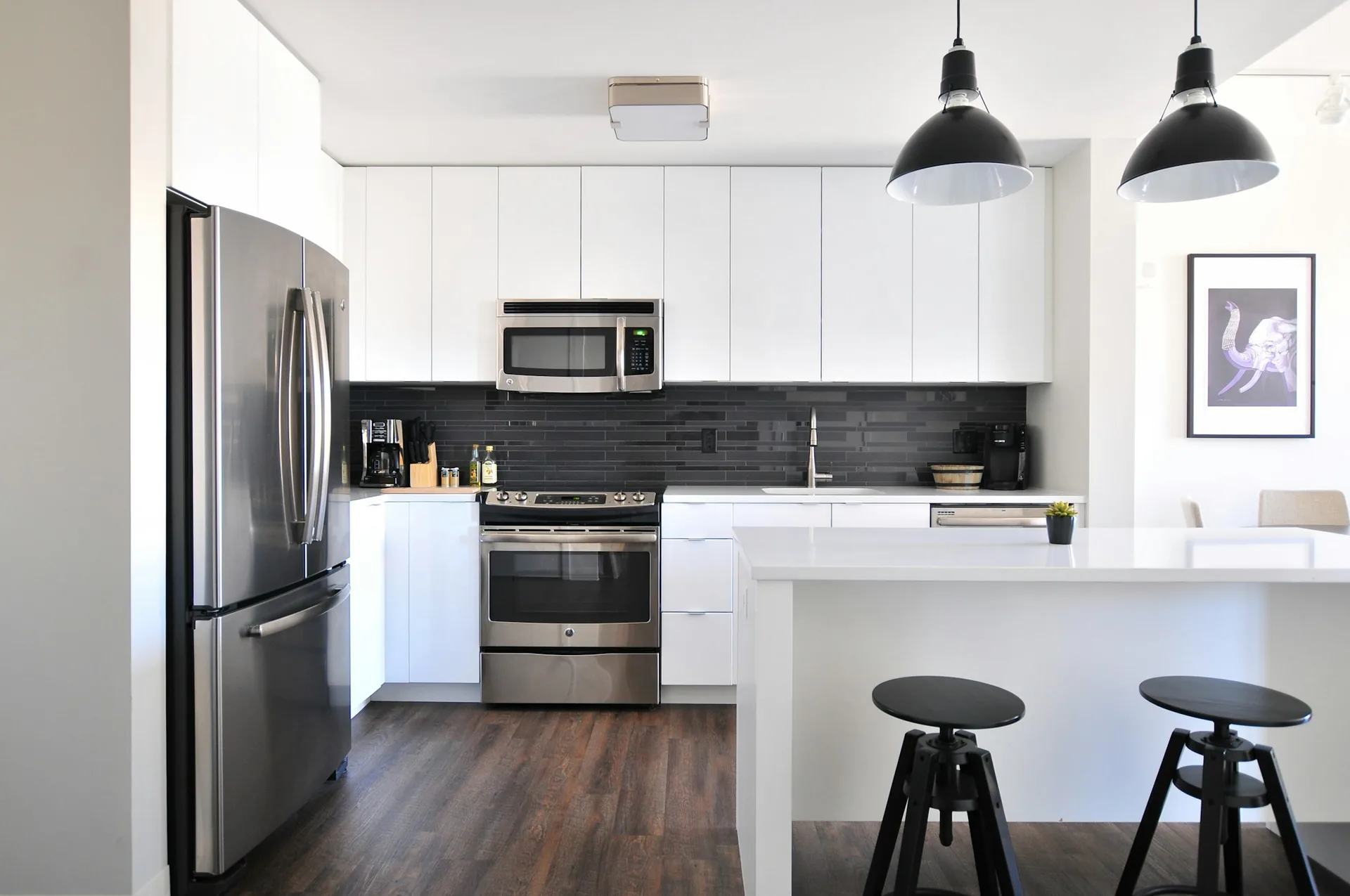
Representative photography of finish directions, not a record of specific Crown projects.
Ready to talk about your project?
Start with a design consultation at the Casselberry showroom or in your home.